

The first in a new series of philosophical essays

When you cry from emotion, from sensitivity, your strong emotion does more to your lacrimal system than your autonomic basal tears that protect your eyes and keep them moist. Reflex tears aren’t the same either – still easy for your body to manage protecting itself against bacteria or whatever’s going on in there. Eyelash? Chopping onions? No big deal. But the tears you cry from pain – or intense compassion or grief or suffering or loss or loneliness or existential dread? Your body goes through things. Trauma, if you will, but less like PTSD and more like the kind from a serious vaccine. Everyone’s body reacts differently when you cry. Some people get headaches. Some people’s bodies physically respond with nausea. Scientists still don’t completely understand why people get headaches (from crying or otherwise), but they do know that sadness triggers stress and anxiety.

So this kicks in our autonomic nervous system, but essentially can affect every system of the body:
musculoskeletal – chronic guardedness, poor posture, clenching, etc.
respiratory – panic attacks, asthma triggered in some.
cardiovascular – acute stress can cause increase in heart rate and contractions, not to forget your large blood vessels and heart dilate, causing your blood pressure to rise and ensuring your PNS (parasympathetic nervous system) triggers a fight, flight or faun response. (This can be from something like traffic or embarassment at work.)
Meanwhile, your endocrine system, where your HPA (hypothalamic-pituitary-adrenal) axis makes more and more glucocorticoids (steroids like cortisol). Right about this point, your endocrine signals your pituitary gland, which produces a hormone that signals your adrenal glands, jacking up your adrenaline/cortisol some more. All this stuff fucks with your immune system. It’s trying to communicate with your brain, and it’s hella imparied, so they are just not getting the right signals out.
Gastrointestinal system? Well, your gut and the colonies of bacteria that live there can influence your brain and your mood. And your mood (depression, anxiety, stress) can trigger your gut and its loads of bacteria to act up. Nausea, anyone? And some people just vomit. That’s okay too. Same. It also increases gas and chronic bowel disorders. That’s stress for ya. Oof.
But let’s get back to crying and the mother of all systems, the nervous system. Wanna know why you’re so goddamn puffy? Why your face feels bruised the next day? Why your eyelids look like water beds begging to be punctured? That is your autonomic nervous system. It’s divided into your PNS (parasympathetic, as mentioned above) and your SNS (sympathetic nervous system). It goes like this:
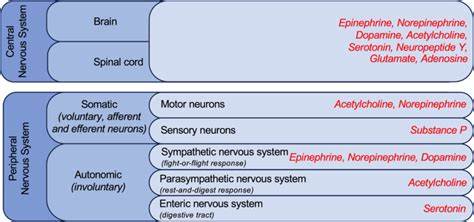
So here your sympathetic nervous system comes in with its fight or flight tendencies. Your body is now turning to Plan B. It’s a transition of power. All those hormones (adrenaline, cortisol, epinephrine) that your adrenal gland start pumping out, combined with your autonomic nerves signalling your heart to pump blood faster, blood vessels in your arms and legs to dilate, etc. So this is why, even the day after you cry, you feel like you’ve been hit by a rock. I get the puffy eyelids, and my face is sensitive to the touch.
I guess I wrote all this down so you and I can understand that our body is doing its thing. It’s got it covered. That doesn’t mean it’s not painful. We need to learn how to recover. We can manage our stress after crying or other intense emotion by getting enough sleep, doing nice things for ourselves like making a cup of tea, having a dance party work break, stretching our muscles in the morning, taking a hike, or doing some real cardio if you like that sort of thing. Sunshine and exercise. That’s what they say, innit?
Most of all, bolster your support system. Even if it’s one good friend. Reach out. Listen to a friend to get outside your head. Tell a family member you want to do something with them, even if it’s play a board game or meet for lunch. Give someone a call this week that cares for you unconditionally. It will be medicine to hear their voice.
And remember – crying isn’t for the weak. You quite literally must be strong to get through it.

Post Script: I began writing these essays during COVID. This was the first I wrote, around the time of my cat Oscar’s disappearance. It was very healing to write, and I hope it is helpful to share. There are other pains and virtues I will reflect on including: On grief, On ethical responsibility, On empathy, On gentleness, On intuition, On patience, On kindness, On friendship, On compassion, On love, On joy, and On peace. Stay tuned for a slow trickle in on these essays, however, the next blog post I share will be about loss. It is not a part of this series; it’s a tribute to Oscie, the best cat that I have ever known.
 wax poetic exquisite corpse